
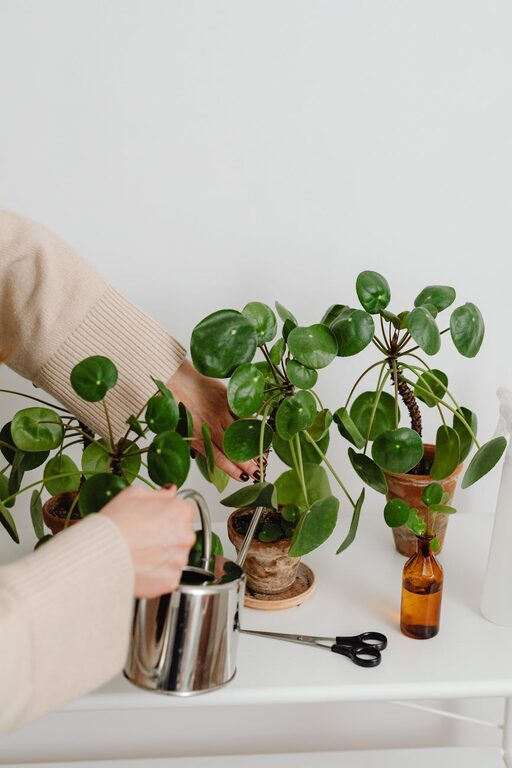
Bringing houseplants into your home adds a touch of nature, improves air quality, and can boost your mood. However, keeping those leafy friends healthy requires some attention and knowledge. Whether you’re a beginner or have a green thumb, these essential tips will help you maintain thriving houseplants year-round.
Understanding Your Houseplant’s Needs
Each houseplant species has unique requirements, but most share common needs such as light, water, soil, and humidity. Getting to know what your specific plants prefer is the first step to success.
– Research plant type: Learn whether your plant thrives in bright indirect sunlight, partial shade, or low light.
– Know growth habits: Some plants grow fast and need more nutrients, others are slow growers.
– Identify water preferences: Some like moist soil, others, like succulents, prefer to dry out completely between watering.
Light: Giving Your Plants the Right Amount
Light is critical for a plant’s photosynthesis process. Too much or too little light can cause leaf burn or stunted growth.
How to Provide Proper Lighting
– Position near windows: South or west-facing windows typically offer bright light.
– Use sheer curtains when direct sunlight is intense to prevent leaf scorch.
– Supplement with grow lights if natural light is limited, especially in winter months.
Signs of light problems
– Too little light: Leggy stems, pale leaves, slow growth.
– Too much light: Yellow, crispy leaves or brown spots.
Watering: The Goldilocks Principle
Overwatering is one of the most common mistakes and can lead to root rot, while underwatering causes wilting and leaf drop.
How to Water Properly
– Check soil moisture before watering: Insert your finger about an inch into the soil; if dry, it’s time to water.
– Water deeply until water drains from the bottom of the pot.
– Empty saucers to avoid standing water.
– Adjust frequency seasonally: Plants typically need less water in winter.
Watering tips per plant type
– Succulents and cacti: Water sparingly, allowing soil to dry out completely.
– Tropical plants: Prefer consistently moist soil but not soggy.
– Ferns: Like high humidity and evenly moist soil.
Soil and Fertilizing: Giving Nutrients a Boost
Healthy soil supports plant roots and provides nutrients.
– Use appropriate potting mix tailored for your plant. For example, succulents need fast-draining soil.
– Repot every 1-2 years to refresh soil and provide growth space.
– Feed regularly during growing season (spring and summer) with a balanced, water-soluble fertilizer.
– Cut back or stop fertilizing in fall and winter when plants often enter dormancy.
Humidity and Temperature: Creating a Comfortable Environment
Many popular houseplants are tropical and thrive in higher humidity.
– Increase humidity by misting plants, grouping plants together, or using a humidifier.
– Avoid placing plants near drafty windows, heaters, or air conditioners.
– Maintain room temperature mostly between 65°F and 75°F for most houseplants.
Pruning and Cleaning: Keeping Plants Neat and Healthy
Regular maintenance encourages growth and prevents pest problems.
– Remove dead or yellowing leaves to improve appearance and plant health.
– Trim leggy growth to promote bushier plants.
– Clean leaves gently with a damp cloth to remove dust and enhance photosynthesis.
– Inspect plants regularly for signs of pests like aphids or spider mites and treat promptly.
Pot and Drainage: Choosing the Right Home
Good drainage is essential to prevent waterlogging.
– Choose pots with drainage holes.
– Use a layer of small stones or broken pottery at the bottom for better drainage.
– Consider the size of the pot—too small restricts root growth, while too large can retain excess moisture.
Common Houseplant Problems and Solutions
Yellow Leaves
Often caused by overwatering, poor drainage, or nutrient deficiency. Check soil moisture and adjust watering, and consider repotting with fresh soil.
Brown Leaf Tips
May result from dry air, too much fertilizer, or inconsistent watering. Increase humidity and reduce fertilizer application.
Pests
Look for tiny insects, webbing, or sticky residue. Wash affected leaves, use insecticidal soap, or isolate the plant until the issue clears.
Final Thoughts: Consistency is Key
Healthy houseplants thrive with regular attention. Check on your plants weekly for changes and adjust care as needed. Learning and adapting your care routine will reward you with lush, vibrant indoor greenery that brightens your home.
Whether you have a small succulent collection or a room full of tropical plants, these tips will help your houseplants live long and beautiful lives. Happy growing!